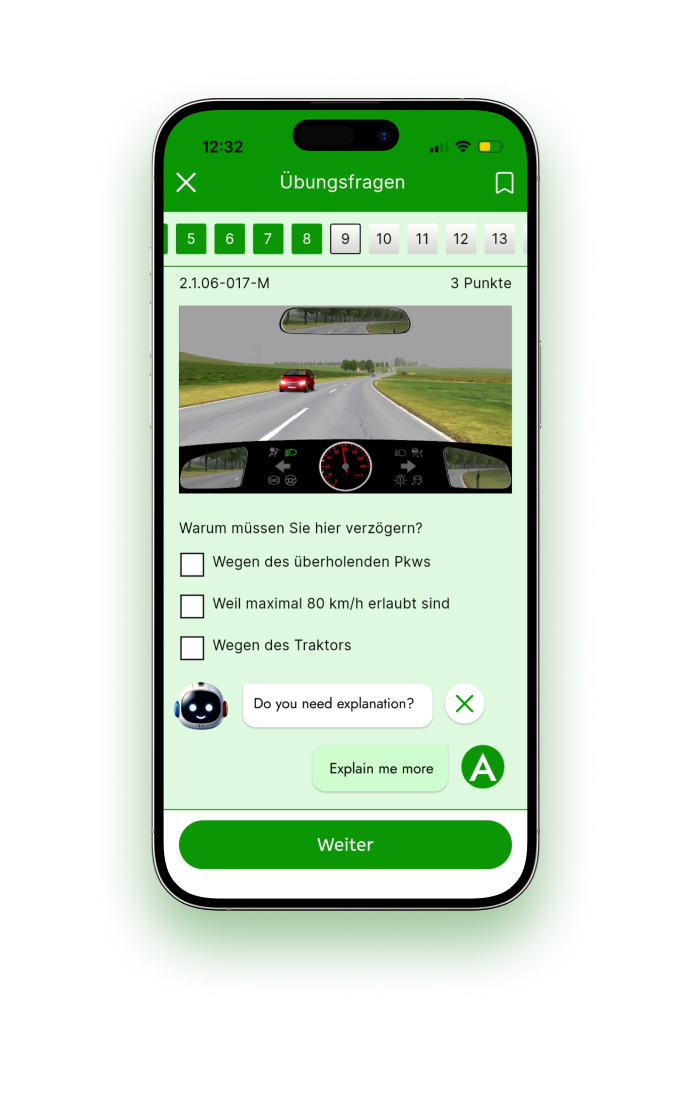
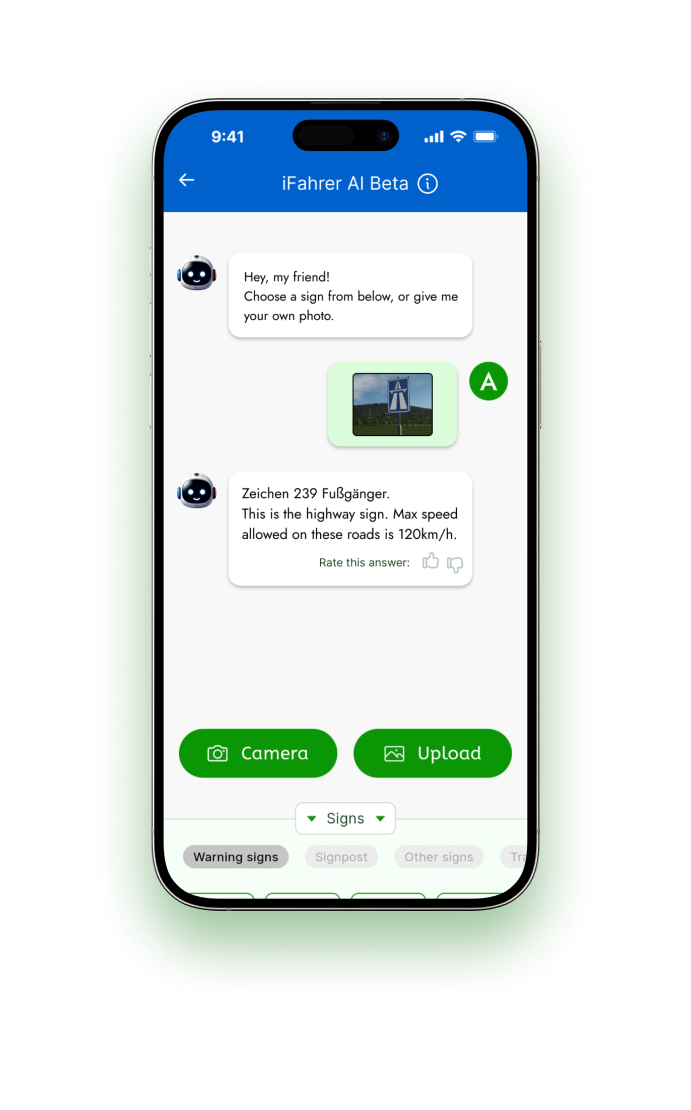
Get ready for your license test with AI assistance!
What must you reckon with when it starts raining after a long period of dry weather?
A dangerous greasy film on the surface of the road
Bad visibility immediately upon switching the windscreen wipers on
Shorter braking distance
Here is Our AI Assistant's Explanation
When it rains after a dry spell, two key factors come into play:
1. A dangerous greasy film on the road surface: After a long period of dry weather, oil and other residues accumulate on the road. When it rains, this can create a slippery surface, significantly increasing the risk of skidding.
2. Bad visibility immediately upon switching the windscreen wipers on: The initial rain can cause splashes and reduce visibility. It's crucial for drivers to be prepared for this and adjust their speed accordingly.
The third option regarding shorter braking distance is incorrect in this context. In fact, the braking distance can increase in wet conditions due to reduced traction. Thus, the correct response should consider the road conditions and visibility issues that arise during the first rain after a dry spell. Understanding these dangers helps promote safer driving practices in accordance with traffic safety regulations.