Get ready for your license test with AI assistance!
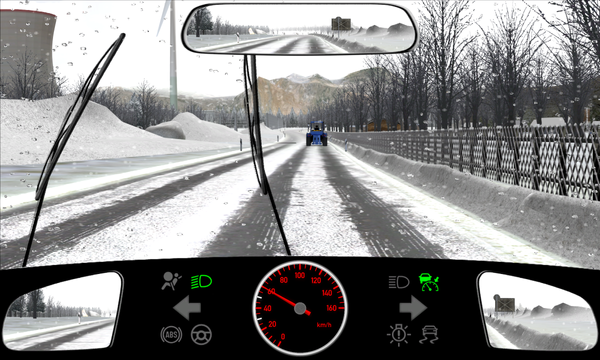
While driving, you use your vehicle’s adaptive cruise control (ACC) system. What must you anticipate in these weather conditions?
The functionality of the ACC may be negatively affected
I have to personally control my speed and distance
The ACC stops the vehicle
Here is Our AI Assistant's Explanation
In snowy or wet conditions like shown in the image, the adaptive cruise control (ACC) system may not function optimally. The sensors that ACC relies on—such as radar or cameras—can be obstructed by moisture, snow, or dirt, leading to reduced accuracy or delayed reactions.
Because of this, you must personally maintain control over your speed and the distance to the vehicle ahead. ACC assists but does not replace the driver's responsibility, especially in challenging weather conditions. It’s important to stay attentive and be ready to intervene manually since the system might not detect obstacles or adapt speed correctly.
The ACC system stopping the vehicle completely (option 3) is not a typical function in these conditions; instead, you must always be prepared to take control yourself.
This means ACC is a helpful aid but cannot be solely relied upon when the weather impairs its sensors or functioning. Always anticipate reduced system performance in adverse weather and drive cautiously.