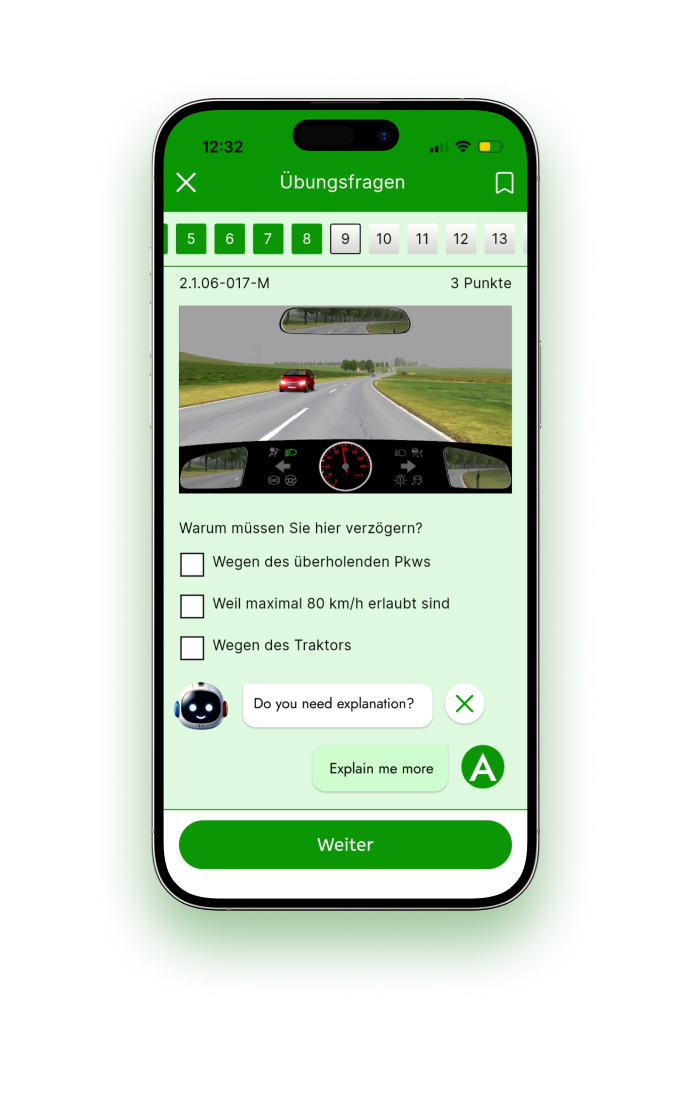
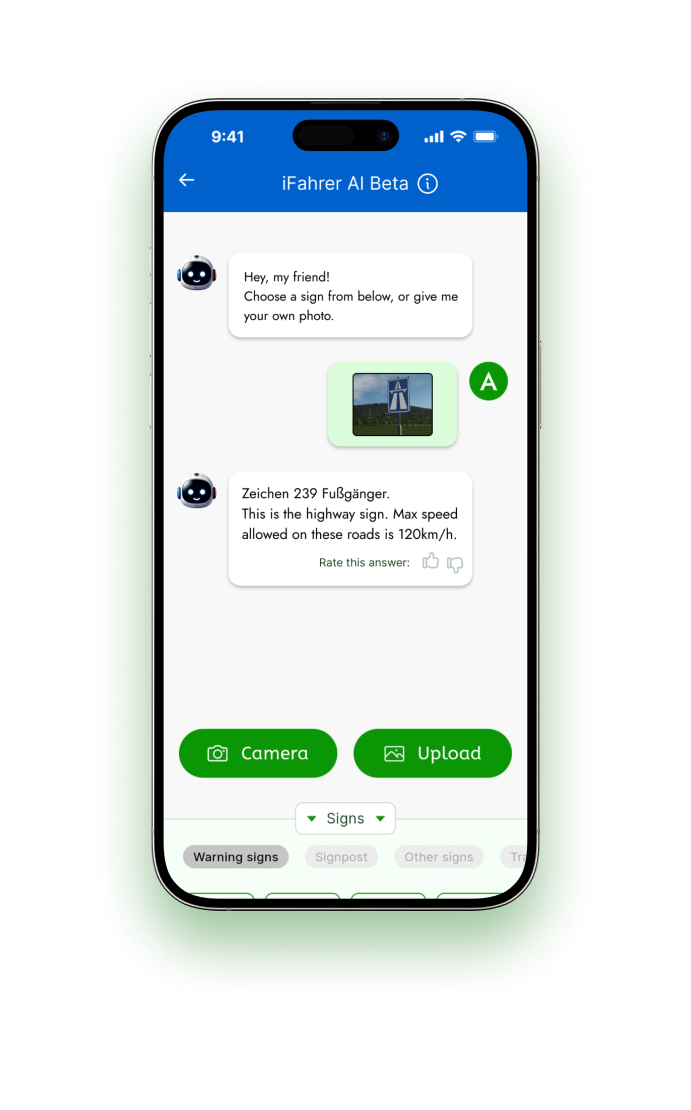
Get ready for your license test with AI assistance!
What is caused by driving with winter tyres during the summer months?
- the fuel consumption
- tyre wear
- driving stability
Here is Our AI Assistant's Explanation
Driving with winter tyres in summer mainly increases fuel consumption and tyre wear.
Fuel consumption goes up because winter tyres use a softer rubber compound and usually have a more aggressive tread pattern. At warm temperatures that soft rubber flexes more and creates higher rolling resistance, so the engine has to work harder to keep the same speed.
Tyre wear increases because the winter compound is designed to stay flexible in cold weather. In summer heat it becomes too soft, so the tread blocks “smear” and abrade faster, especially during cornering, braking, and on hot asphalt. That’s why winter tyres can lose tread much more quickly in summer.
Driving stability is not the typical “caused” effect tested here: winter tyres can feel less precise in warm weather (longer braking distance and less cornering grip on dry roads), but the key direct consequences in these questions are the higher rolling resistance (more fuel) and the faster wear.