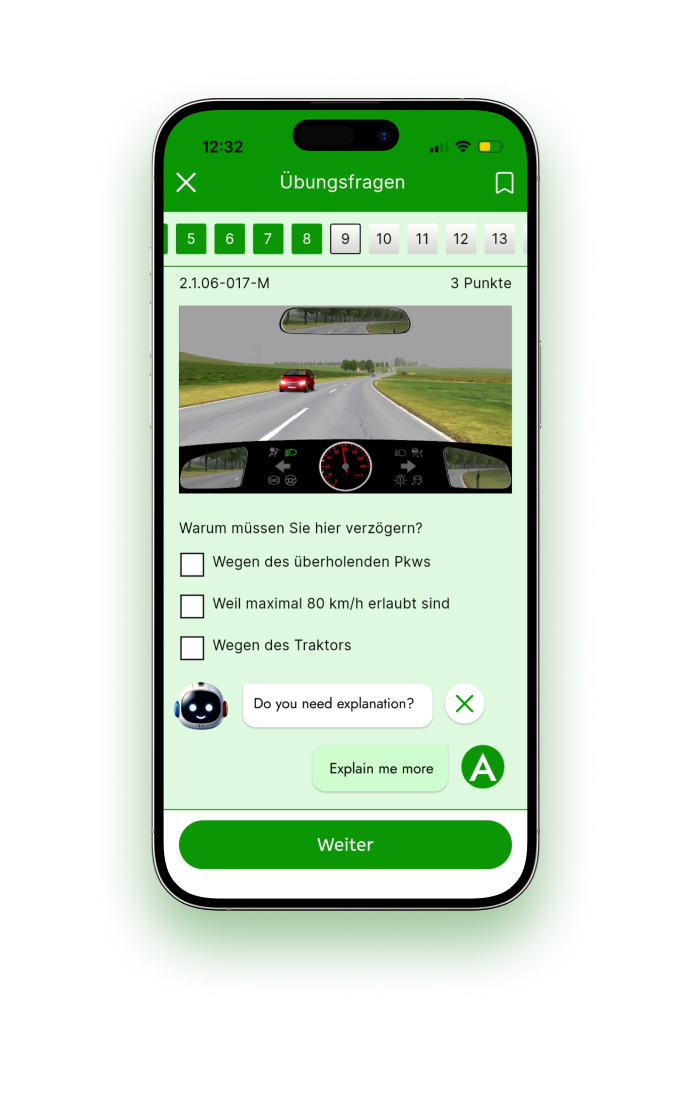
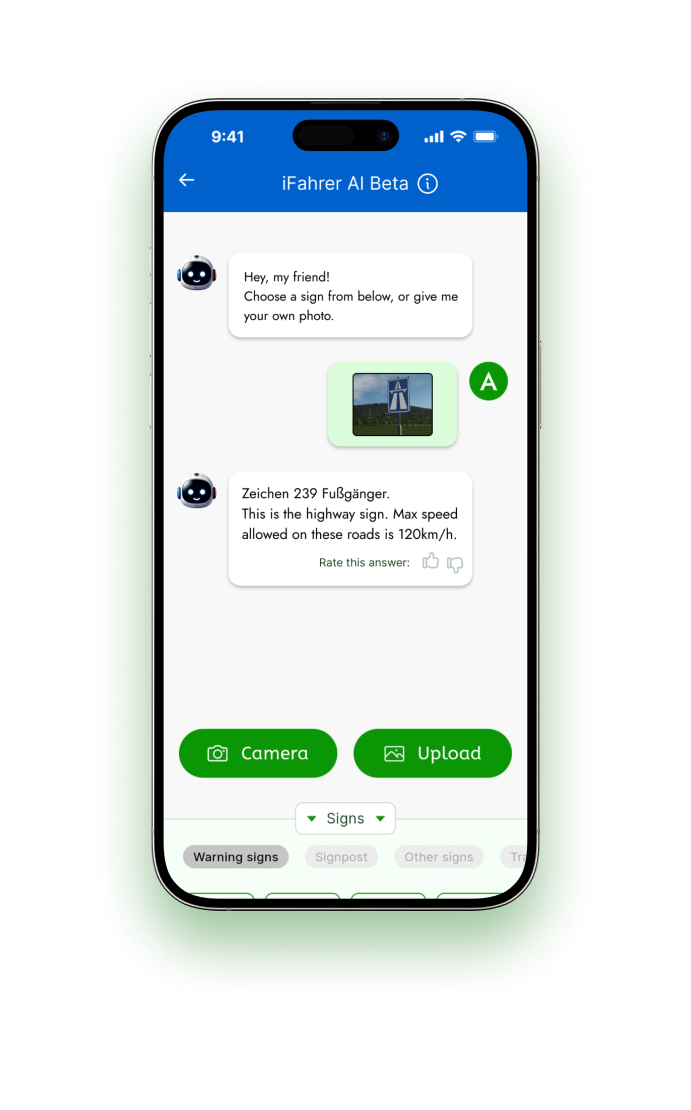
Get ready for your license test with AI assistance!
When is there a particularly high risk of a semi-trailer truck with compressed-air brakes jack-knifing or skidding on a slippery road?
If the retarder is fully engaged when driving around a bend
If the truck is braked harder than the trailer when driving around a bend
If the load largely impinges on the drive shaft
Here is Our AI Assistant's Explanation
Your answer is correct because both situations 1 and 2 create conditions that increase the risk of jack-knifing or skidding in semi-trailer trucks with compressed-air brakes on slippery roads.
Situation 1 explains that if the retarder is fully engaged when driving around a bend, it can cause sudden and uneven braking force on the truck's drive axle. This sudden braking can destabilize the trailer, especially on slippery surfaces, leading to a jack-knife.
Situation 2 highlights that if the truck itself is braked harder than the trailer when turning, the trailer can continue moving forward while the truck slows down more rapidly. This difference in braking forces causes the trailer to swing out and potentially skid or jack-knife.
Situation 3 is incorrect because the load mainly affecting the drive shaft is not directly linked to the risk of jack-knifing on slippery roads. The key factor is the imbalance in braking forces and how braking systems are used during cornering.
In summary, to avoid jack-knifing, apply braking smoothly and evenly to both truck and trailer, avoid fully engaging retarder abruptly on bends, and adjust driving behavior to road conditions.